Chick Fil A Allergen Menu for 2026: Safe Food Choices, Ingredient Insights, and Dining Tips
Eating out should feel enjoyable, not stressful, especially when food sensitivities or allergies are part of everyday life. Knowing exactly what goes into your meal helps you relax and make choices with confidence, whether you are dining alone or ordering for your family.
Many people love the familiar taste and consistency of Chick-fil-A, but questions about ingredients, preparation methods, and potential allergens often come up. Clear, accurate information can make a big difference when deciding what to order and what to avoid.
That is where the chick fil a allergen menu becomes especially important. It provides a detailed look at common allergens found in different menu items, helping you understand what fits your dietary needs without guesswork or unnecessary worry.
Having access to this information empowers you to plan ahead, communicate better, and enjoy your meal with peace of mind. It turns a fast-food visit into a more thoughtful and informed experience.
For anyone managing allergies or simply wanting transparency, this kind of guidance helps create trust and makes dining out feel safer and more comfortable.
Chick Fil A Allergen Menu for Dairy Sensitivities
Managing dairy sensitivities while eating fast food can feel challenging, but having clear ingredient information makes it much easier. This section focuses on how the Chick Fil A allergen menu helps you identify dairy-containing items and safer alternatives. From breakfast to dinner, understanding which menu items include milk, butter, cheese, or cream-based ingredients allows you to plan your order with more confidence. With the right knowledge, you can still enjoy familiar flavors while staying mindful of your dietary needs and personal comfort.
Grilled Chicken Sandwich and Grilled Filets
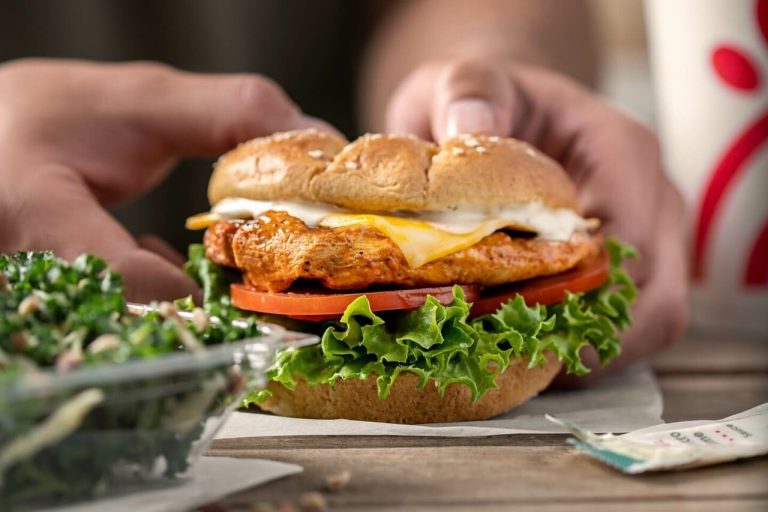
The grilled chicken options are often the first choice for people with dairy sensitivities, but it is still important to look closely at ingredients. According to the Chick Fil A allergen menu, the grilled chicken filet itself is typically prepared without milk-based ingredients, making it a more suitable option compared to breaded items. However, the full sandwich experience can change depending on what you add. The multigrain bun may contain milk or butter derivatives, which means it could trigger symptoms for sensitive individuals. Choosing a lettuce wrap or enjoying the filet without the bun can significantly reduce dairy exposure.
Another area to watch is marinades and seasonings. While the grilled chicken is not breaded with dairy-heavy coatings, cross-contact can occur during preparation, especially in shared kitchen spaces. Sauces and toppings are another concern. Many popular toppings, such as cheese slices or creamy sauces, clearly contain dairy and should be avoided. Opting for simple toppings like lettuce, tomato, and pickles helps keep the meal dairy-aware.
The grilled chicken sandwich can still be satisfying when customized carefully. By checking the Chick Fil A allergen menu ahead of time, you know exactly which components are safe and which need to be skipped. This approach allows you to enjoy a filling protein-based meal while minimizing discomfort and uncertainty related to dairy sensitivities.
Breaded Chicken Sandwiches and Nuggets
Breaded chicken items are some of the most popular choices on the menu, but they are also more complex for those avoiding dairy. The Chick Fil A allergen menu shows that the breading used on classic chicken sandwiches and nuggets may contain milk-based ingredients. This means that even though the chicken itself is the main focus, the coating can pose a problem for people with dairy sensitivities.
Another factor is the frying process. Breaded items are cooked in shared fryers, increasing the risk of cross-contact with other dairy-containing foods. While this may not affect everyone with mild sensitivities, it can be an issue for those who experience stronger reactions. Sauces commonly paired with nuggets, such as ranch or cheese-based dips, also contain dairy and should be avoided.
If you still enjoy the flavor and texture of these items, understanding the risks helps you make an informed decision. Some people with mild sensitivities may tolerate small amounts, while others may prefer to avoid breaded items entirely. Reviewing the Chick Fil A allergen menu gives you the clarity needed to decide what works best for your body.
For a safer experience, many diners choose to substitute breaded chicken with grilled options or pair a smaller portion with clearly dairy-free sides. Awareness is key, and knowing what is in the breading helps you avoid unexpected reactions during or after your meal.
Breakfast Items and Dairy Considerations
Breakfast at Chick-fil-A offers convenience, but it can be tricky for those with dairy sensitivities. The Chick Fil A allergen menu highlights that many breakfast items contain cheese, butter, or milk-based ingredients. Biscuits, for example, are typically made with butter or milk, making them unsuitable for dairy-sensitive individuals. Breakfast sandwiches often include cheese and may also use butter during preparation.
Egg-based items deserve special attention. While eggs themselves do not contain dairy, they are sometimes cooked with butter or paired with cheese. Hash browns are often seen as a safer choice, but cross-contact in shared cooking areas is still possible. Sauces offered during breakfast, such as creamy spreads, may also include dairy components.
Despite these challenges, breakfast can still be manageable with careful selection. Choosing simpler items and avoiding cheese, biscuits, and creamy sauces can reduce dairy intake. Some diners opt for fruit cups or plain hash browns combined with a beverage that does not contain milk.
Using the Chick Fil A allergen menu before ordering breakfast helps you avoid guesswork. It allows you to spot hidden dairy sources and make substitutions that align with your sensitivity. This preparation turns a potentially stressful breakfast stop into a more controlled and comfortable experience.
Sides and Salads with Hidden Dairy
Sides and salads may seem like safe options, but dairy can still appear in unexpected places. The Chick Fil A allergen menu shows that items such as mac and cheese clearly contain milk and should be avoided by those with dairy sensitivities. Salads often include shredded cheese by default, which can easily be overlooked when ordering quickly.
Dressings are another major source of dairy. Creamy dressings like ranch, avocado lime ranch, or Caesar usually contain milk or cheese. Even some vinaigrettes may include small amounts of dairy-based ingredients. Croutons added to salads can also contain butter or milk derivatives.
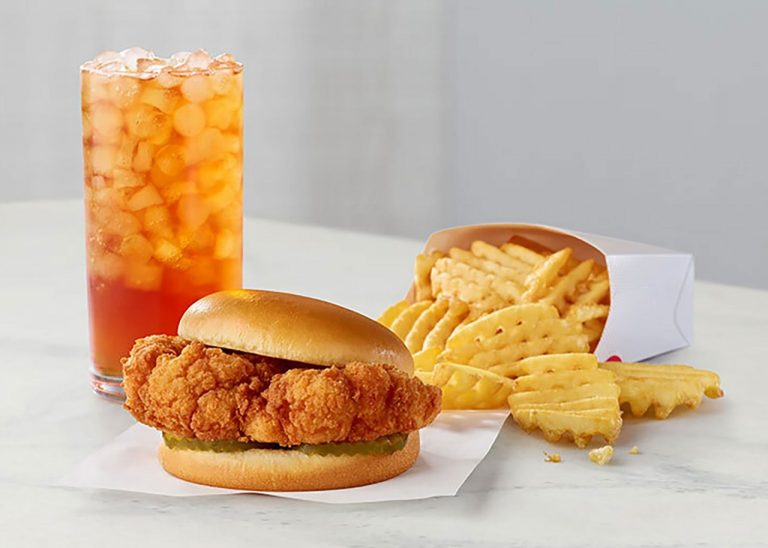
That said, salads can be customized effectively. Removing cheese, choosing dairy-free dressings, and confirming ingredient details can make a big difference. Sides like waffle fries may be acceptable for some individuals, but shared fryers still pose a potential risk for cross-contact.
Carefully reviewing the Chick Fil A allergen menu helps you identify which sides align with your needs. By understanding what is included by default and what can be removed, you can enjoy lighter options without compromising your comfort or health.
Desserts, Beverages, and Dairy Awareness
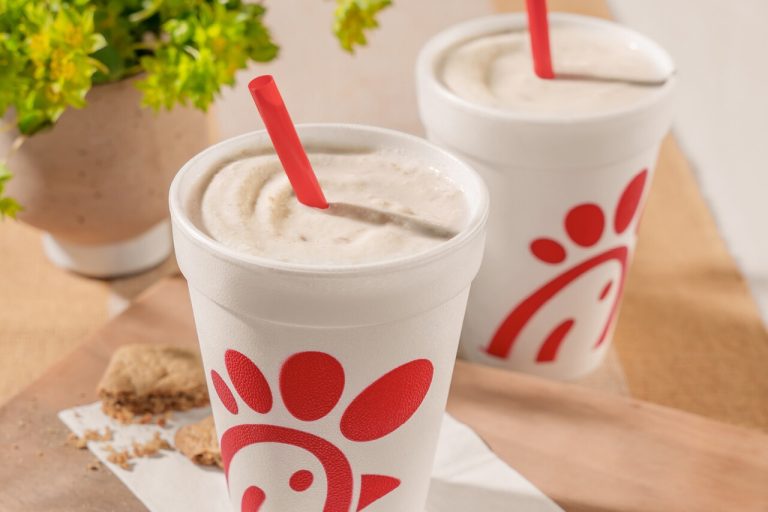
Desserts are often the most challenging category for dairy-sensitive diners. The Chick Fil A allergen menu clearly indicates that milkshakes, ice cream-based treats, and many desserts contain significant amounts of dairy. These items are generally not suitable for anyone with milk sensitivities and are best avoided entirely.
Beverages also require attention. While soft drinks, lemonade, and iced tea are typically dairy-free, specialty drinks may include milk or cream. Coffee-based beverages, when available, often use milk unless specifically requested otherwise. Even flavored syrups can sometimes contain milk-derived ingredients.
For those craving something sweet, choosing non-dairy beverages or skipping dessert altogether may be the safest option. Understanding where dairy is most concentrated helps prevent accidental exposure. This is especially important when ordering for children or individuals with more pronounced sensitivities.
Relying on the Chick Fil A allergen menu gives you a clear picture of which desserts and drinks to avoid and which ones are generally safer. This knowledge helps you end your meal without discomfort and reinforces the value of informed ordering when dairy sensitivities are part of your daily life.
Chick Fil A Allergen Menu for Dairy Sensitivities
Managing dairy sensitivities while eating fast food can feel challenging, but having clear ingredient information makes it much easier. This section focuses on how the Chick Fil A allergen menu helps you identify dairy-containing items and safer alternatives. From breakfast to dinner, understanding which menu items include milk, butter, cheese, or cream-based ingredients allows you to plan your order with more confidence. With the right knowledge, you can still enjoy familiar flavors while staying mindful of your dietary needs and personal comfort.
Grilled Chicken Sandwich and Grilled Filets
The grilled chicken options are often the first choice for people with dairy sensitivities, but it is still important to look closely at ingredients. According to the Chick Fil A allergen menu, the grilled chicken filet itself is typically prepared without milk-based ingredients, making it a more suitable option compared to breaded items. However, the full sandwich experience can change depending on what you add. The multigrain bun may contain milk or butter derivatives, which means it could trigger symptoms for sensitive individuals. Choosing a lettuce wrap or enjoying the filet without the bun can significantly reduce dairy exposure.
Another area to watch is marinades and seasonings. While the grilled chicken is not breaded with dairy-heavy coatings, cross-contact can occur during preparation, especially in shared kitchen spaces. Sauces and toppings are another concern. Many popular toppings, such as cheese slices or creamy sauces, clearly contain dairy and should be avoided. Opting for simple toppings like lettuce, tomato, and pickles helps keep the meal dairy-aware.
The grilled chicken sandwich can still be satisfying when customized carefully. By checking the Chick Fil A allergen menu ahead of time, you know exactly which components are safe and which need to be skipped. This approach allows you to enjoy a filling protein-based meal while minimizing discomfort and uncertainty related to dairy sensitivities.
Breaded Chicken Sandwiches and Nuggets
Breaded chicken items are some of the most popular choices on the menu, but they are also more complex for those avoiding dairy. The Chick Fil A allergen menu shows that the breading used on classic chicken sandwiches and nuggets may contain milk-based ingredients. This means that even though the chicken itself is the main focus, the coating can pose a problem for people with dairy sensitivities.
Another factor is the frying process. Breaded items are cooked in shared fryers, increasing the risk of cross-contact with other dairy-containing foods. While this may not affect everyone with mild sensitivities, it can be an issue for those who experience stronger reactions. Sauces commonly paired with nuggets, such as ranch or cheese-based dips, also contain dairy and should be avoided.
If you still enjoy the flavor and texture of these items, understanding the risks helps you make an informed decision. Some people with mild sensitivities may tolerate small amounts, while others may prefer to avoid breaded items entirely. Reviewing the Chick Fil A allergen menu gives you the clarity needed to decide what works best for your body.
For a safer experience, many diners choose to substitute breaded chicken with grilled options or pair a smaller portion with clearly dairy-free sides. Awareness is key, and knowing what is in the breading helps you avoid unexpected reactions during or after your meal.
Breakfast Items and Dairy Considerations
Breakfast at Chick-fil-A offers convenience, but it can be tricky for those with dairy sensitivities. The Chick Fil A allergen menu highlights that many breakfast items contain cheese, butter, or milk-based ingredients. Biscuits, for example, are typically made with butter or milk, making them unsuitable for dairy-sensitive individuals. Breakfast sandwiches often include cheese and may also use butter during preparation.
Egg-based items deserve special attention. While eggs themselves do not contain dairy, they are sometimes cooked with butter or paired with cheese. Hash browns are often seen as a safer choice, but cross-contact in shared cooking areas is still possible. Sauces offered during breakfast, such as creamy spreads, may also include dairy components.
Despite these challenges, breakfast can still be manageable with careful selection. Choosing simpler items and avoiding cheese, biscuits, and creamy sauces can reduce dairy intake. Some diners opt for fruit cups or plain hash browns combined with a beverage that does not contain milk.
Using the Chick Fil A allergen menu before ordering breakfast helps you avoid guesswork. It allows you to spot hidden dairy sources and make substitutions that align with your sensitivity. This preparation turns a potentially stressful breakfast stop into a more controlled and comfortable experience.
Sides and Salads with Hidden Dairy
Sides and salads may seem like safe options, but dairy can still appear in unexpected places. The Chick Fil A allergen menu shows that items such as mac and cheese clearly contain milk and should be avoided by those with dairy sensitivities. Salads often include shredded cheese by default, which can easily be overlooked when ordering quickly.
Dressings are another major source of dairy. Creamy dressings like ranch, avocado lime ranch, or Caesar usually contain milk or cheese. Even some vinaigrettes may include small amounts of dairy-based ingredients. Croutons added to salads can also contain butter or milk derivatives.
That said, salads can be customized effectively. Removing cheese, choosing dairy-free dressings, and confirming ingredient details can make a big difference. Sides like waffle fries may be acceptable for some individuals, but shared fryers still pose a potential risk for cross-contact.
Carefully reviewing the Chick Fil A allergen menu helps you identify which sides align with your needs. By understanding what is included by default and what can be removed, you can enjoy lighter options without compromising your comfort or health.
Desserts, Beverages, and Dairy Awareness
Desserts are often the most challenging category for dairy-sensitive diners. The Chick Fil A allergen menu clearly indicates that milkshakes, ice cream-based treats, and many desserts contain significant amounts of dairy. These items are generally not suitable for anyone with milk sensitivities and are best avoided entirely.
Beverages also require attention. While soft drinks, lemonade, and iced tea are typically dairy-free, specialty drinks may include milk or cream. Coffee-based beverages, when available, often use milk unless specifically requested otherwise. Even flavored syrups can sometimes contain milk-derived ingredients.
For those craving something sweet, choosing non-dairy beverages or skipping dessert altogether may be the safest option. Understanding where dairy is most concentrated helps prevent accidental exposure. This is especially important when ordering for children or individuals with more pronounced sensitivities.
Relying on the Chick Fil A allergen menu gives you a clear picture of which desserts and drinks to avoid and which ones are generally safer. This knowledge helps you end your meal without discomfort and reinforces the value of informed ordering when dairy sensitivities are part of your daily life.
Chick Fil A Allergen Menu for Gluten Concerns
Navigating gluten concerns at a fast-food restaurant requires careful planning and reliable information. The Chick Fil A allergen menu plays an important role in helping you identify items that contain wheat or gluten-based ingredients. From breaded entrees to sauces and sides, gluten can appear in many forms. Understanding where gluten is most commonly found allows you to choose meals more confidently while reducing the risk of discomfort or unwanted reactions.
Grilled Chicken Options and Gluten Awareness
Grilled chicken items are often considered a safer starting point for people with gluten concerns, but they still require attention to detail. According to the Chick Fil A allergen menu, grilled chicken filets are generally prepared without wheat-based breading, which helps reduce direct gluten exposure. However, the way these items are served can introduce gluten through buns, wraps, or marinades. Multigrain buns and wraps contain wheat, making them unsuitable for those avoiding gluten entirely.
Another important factor is cross-contact. Grilled items may be cooked in areas shared with breaded foods, increasing the possibility of gluten traces. While this may not affect individuals with mild sensitivities, it can be a concern for those with celiac disease. Sauces and seasonings should also be reviewed carefully, as some marinades or dressings may include wheat-derived ingredients. Choosing simple toppings like lettuce and tomato, and avoiding sauces unless confirmed gluten-free, helps maintain better control.
By using the Chick Fil A allergen menu before ordering, you gain clarity about each component of the meal. This knowledge allows you to enjoy grilled chicken in a way that aligns with your gluten needs while minimizing uncertainty during dining.
Breaded Items and Hidden Gluten Sources
Breaded menu items are among the highest gluten-containing options at Chick-fil-A. Classic chicken sandwiches, nuggets, and strips all use wheat flour in their breading, making them unsuitable for anyone with gluten intolerance or celiac disease. Even though the chicken itself does not contain gluten, the coating introduces a significant source of wheat-based protein.
Beyond the breading, the frying process adds another layer of concern. These items are cooked in shared fryers, which means gluten residue can transfer between foods. Sauces commonly paired with breaded items may also contain gluten, especially those thickened with wheat-based ingredients. This makes it difficult to avoid gluten entirely when ordering traditional fried options.
Understanding these risks is essential for informed decision-making. Some individuals with mild gluten sensitivity may tolerate small amounts, while others must avoid breaded foods completely. Reviewing the Chick Fil A allergen menu helps you identify these hidden sources and choose alternatives that better suit your dietary requirements. Awareness reduces the chance of accidental exposure and helps you feel more confident when placing your order.
Sides, Salads, and Gluten Considerations
Sides and salads may appear gluten-free at first glance, but they often include hidden sources of wheat. The Chick Fil A allergen menu shows that items like mac and cheese clearly contain gluten and should be avoided. Salads can include croutons by default, which are made from wheat bread and must be removed to reduce gluten intake.
Dressings also require careful review. Creamy dressings and certain vinaigrettes may contain gluten-based thickeners or additives. Even when a salad is customized, cross-contact can still occur during preparation. Waffle fries are a popular side and are generally considered gluten-free by ingredient, but shared fryers increase the risk of gluten exposure.
For those managing gluten concerns, customization is key. Removing croutons, selecting dressings carefully, and understanding preparation methods can make salads and sides more manageable. Using the Chick Fil A allergen menu allows you to spot potential issues before ordering and adjust your meal to better align with your gluten needs.
Breakfast and Sauce Choices for Gluten Sensitivity
Breakfast items at Chick-fil-A can be challenging for individuals avoiding gluten. Biscuits, muffins, and breakfast sandwiches rely heavily on wheat-based ingredients, making them unsuitable for gluten-sensitive diners. Even egg-based items may be served on biscuits or paired with sauces that contain gluten.
Sauces are another area where gluten can be hidden. Certain dipping sauces, breakfast spreads, and marinades may include wheat or barley derivatives. These ingredients are not always obvious, which makes reviewing allergen details especially important. Choosing simple condiments and avoiding thickened sauces can help reduce gluten exposure.
Beverages are typically gluten-free, but flavored drinks or specialty items should still be checked. By relying on the Chick Fil A allergen menu, you gain a clearer understanding of which breakfast and sauce options align with your needs. This preparation helps you start your day with fewer concerns and greater confidence in your choices.
Chick Fil A Allergen Menu for Nut Allergies
Nut allergies require constant attention, especially when dining out at fast-food restaurants. The Chick Fil A allergen menu helps you understand where peanuts and tree nuts may be present across the menu. From cooking oils to salad toppings and desserts, nut-related ingredients can appear in expected and unexpected places. Knowing how these allergens are used allows you to make safer choices and approach your meal with greater confidence.
Use of Peanut Oil in Cooking Methods
One of the most important considerations for nut allergies at Chick-fil-A is the use of peanut oil for frying. The Chick Fil A allergen menu notes that highly refined peanut oil is used to cook many fried items, including classic chicken sandwiches, nuggets, and waffle fries. While this refined oil is generally considered safe for many people with peanut allergies, individual reactions can vary. Some individuals may still choose to avoid fried foods due to personal sensitivity or medical advice.
Another concern is cross-contact within the kitchen. Fried foods are prepared in shared fryers, which increases the chance of exposure for those with severe allergies. Even items that do not contain peanuts directly may come into contact with peanut oil during cooking. Understanding these preparation methods helps you decide whether fried menu items are appropriate for your situation.
For those who prefer to avoid peanut oil entirely, grilled menu items offer an alternative. Reviewing the Chick Fil A allergen menu before ordering allows you to evaluate cooking methods and make decisions that align with your safety and comfort.
Tree Nuts in Salads and Specialty Items
Tree nuts are less common than peanuts at Chick-fil-A, but they still appear in certain menu items. According to the Chick Fil A allergen menu, some salads include nut-based toppings, such as sliced almonds or other seasonal additions. These ingredients are often added automatically, making it important to request their removal when ordering.
Desserts and limited-time offerings may also introduce tree nuts depending on the recipe. While these items are not always available year-round, they can pose a risk when present. Cross-contact is another factor, as shared preparation surfaces may increase the chance of nut traces even after removal of toppings.
For individuals with tree nut allergies, careful customization is essential. Choosing simpler menu items and confirming ingredient details reduces risk. Grilled chicken, plain sides, and beverages without specialty mix-ins are often easier to manage. By using the Chick Fil A allergen menu, you gain awareness of where tree nuts may appear and can adjust your order accordingly to support a safer dining experience.
Sauces, Desserts, and Beverage Awareness
Sauces and desserts require close attention for those with nut allergies. While many sauces do not contain nuts directly, certain specialty sauces or seasonal offerings may include nut-derived ingredients. The Chick Fil A allergen menu provides clarity on which sauces are safer and which should be avoided.
Desserts are a higher-risk category. Ice cream-based treats, cookies, and special desserts may contain nut ingredients or be prepared in environments where nuts are present. Even when nuts are not listed as a main ingredient, cross-contact during production or serving can occur. Beverages are generally safer, but specialty drinks with flavorings should still be reviewed carefully.
Understanding these risks allows you to make informed decisions. Some diners may choose to skip desserts altogether to reduce exposure, while others may stick to clearly labeled options. Relying on the Chick Fil A allergen menu helps you identify potential nut-related concerns and select items that better fit your dietary needs without unnecessary worry.
Chick Fil A Allergen Menu for Seafood and Fish Allergies
Seafood and fish allergies can be serious, making accurate ingredient information essential when eating out. The Chick Fil A allergen menu helps you understand where fish or seafood ingredients may appear and how preparation methods can affect safety. While Chick-fil-A is primarily known for chicken-based items, certain menu options, sauces, and cooking practices still require attention for those managing fish or shellfish allergies.
Fish-Based Menu Items and Seasonal Offerings
The most direct concern for fish allergies at Chick-fil-A is the presence of fish-based menu items, which may appear as seasonal or limited-time offerings. According to the Chick Fil A allergen menu, items like fish sandwiches or fish filets are not always available but can pose a risk when offered. These items contain fish as a primary ingredient and are unsuitable for anyone with fish allergies.
Another important factor is how these items are prepared. Fish products may be cooked in the same kitchen areas or using shared equipment, increasing the possibility of cross-contact with other foods. Even when fish items are not part of your order, their preparation nearby can still create a risk for highly sensitive individuals. Buns, sauces, and toppings served with fish items may also contain ingredients that require review.
For diners with fish allergies, awareness of current menu offerings is essential. Checking the Chick Fil A allergen menu before visiting helps you confirm whether fish items are being served and decide whether extra precautions are needed during your visit.
Cross-Contact Risks and Sauce Ingredients
Cross-contact is a major concern for people with seafood and fish allergies, even in restaurants that focus mainly on chicken. Shared cooking surfaces, utensils, and preparation areas can allow traces of fish or seafood to transfer to otherwise safe foods. The Chick Fil A allergen menu highlights these risks and encourages careful review of preparation methods.
Sauces are another area to consider. While most Chick-fil-A sauces do not contain fish directly, some ingredients such as Worcestershire-style components or certain flavorings may include fish derivatives like anchovies. These ingredients are not always obvious, making allergen information especially valuable. Condiments and dressings should be checked individually to avoid accidental exposure.
For individuals with severe allergies, choosing simpler menu items and avoiding sauces unless confirmed safe can help reduce risk. Grilled chicken options with minimal customization are often easier to manage. Using the Chick Fil A allergen menu allows you to identify potential problem areas and make decisions that support a safer dining experience.
Chick Fil A Allergen Menu for Egg Allergies
Egg allergies require careful attention to ingredients and preparation methods, especially when eating at fast-food restaurants. The Chick Fil A allergen menu helps you identify where eggs are used across different menu categories. From breakfast items to breaded foods and sauces, egg-based ingredients can appear in both obvious and hidden forms. Understanding these details helps you make safer, more confident ordering decisions.
Breakfast Items and Egg-Based Ingredients
Breakfast is the most challenging meal for people with egg allergies at Chick-fil-A. Many breakfast sandwiches, burritos, and bowls feature eggs as a primary ingredient, making them unsuitable for those avoiding eggs. According to the Chick Fil A allergen menu, even items that seem simple may include egg-based components such as folded eggs or scrambled egg blends. Biscuits and breakfast buns can also contain egg as part of the dough or glaze.
Preparation methods add another layer of concern. Breakfast items are often cooked on shared grills or prepared in the same area, increasing the risk of cross-contact. Sauces and spreads served in the morning may also contain eggs, particularly creamy or mayonnaise-style options. This makes it important to review ingredient lists carefully and avoid assumptions.
For individuals with egg allergies, breakfast choices may need to be limited to non-egg items such as certain sides or beverages. Using the Chick Fil A allergen menu before ordering allows you to identify egg-free options and reduce the risk of accidental exposure during your morning meal.
Breaded Chicken and Egg in Coatings
Eggs are commonly used in breaded foods as a binding agent, and Chick-fil-A’s breaded chicken items are no exception. The Chick Fil A allergen menu shows that classic chicken sandwiches, nuggets, and strips may contain egg as part of the breading process. While the chicken itself does not contain egg, the coating introduces a significant allergen risk.
Frying methods further increase concern due to shared equipment. Breaded items are cooked together, which can lead to cross-contact between foods containing egg. Even removing the breading is not a reliable solution, as egg proteins may still be present on the surface of the chicken.
For those managing egg allergies, grilled chicken options are often considered a safer alternative, though they still require verification. Reviewing allergen information helps you understand where egg is used and which items should be avoided entirely. Awareness of egg in breaded coatings supports better decision-making and helps prevent unexpected reactions while dining.
Sauces, Salads, and Hidden Egg Sources
Eggs can also appear in less obvious areas such as sauces, dressings, and salads. Many creamy dressings and sauces contain egg-based ingredients, particularly those similar to mayonnaise or aioli. The Chick Fil A allergen menu provides valuable insight into which sauces include egg and which are safer choices.
Salads may include egg-containing dressings or toppings, and cross-contact during preparation is another concern. Even when eggs are not listed as a topping, shared utensils and surfaces can introduce traces. Desserts and baked goods may also contain egg as part of their recipe, making them unsuitable for individuals with egg allergies.
For a safer dining experience, choosing simpler menu items and avoiding creamy sauces can reduce risk. Checking the Chick Fil A allergen menu before ordering helps you identify hidden egg sources and customize your meal to better align with your dietary needs.
Customizing Orders Using the Chick Fil A Allergen Menu
Customizing your meal is one of the most effective ways to manage food allergies while dining out. The Chick Fil A allergen menu gives you detailed ingredient information that helps you adjust menu items to suit your dietary needs. By understanding which components contain allergens and how foods are prepared, you can make thoughtful modifications that reduce risk while still enjoying familiar menu options.
Removing and Substituting Common Allergen Ingredients
One of the simplest customization strategies is removing ingredients that trigger allergies. The Chick Fil A allergen menu clearly lists allergens such as dairy, wheat, eggs, soy, and nuts, making it easier to identify what needs to be excluded. For example, cheese can be removed from sandwiches and salads to avoid dairy, while buns can be skipped to reduce wheat or gluten exposure. Choosing grilled chicken instead of breaded options helps avoid allergens commonly found in coatings.
Substitution is another helpful approach. Replacing buns with lettuce wraps or ordering filets without bread allows you to enjoy the main protein without added allergens. Sauces and dressings can also be swapped or omitted, as many contain hidden allergens. Asking for plain versions of items reduces the number of ingredients involved, which can lower the chance of accidental exposure.
Using the Chick Fil A allergen menu before ordering gives you confidence in these choices. It helps you understand which modifications are realistic and which items are better avoided entirely. This preparation makes customization more effective and less stressful.
Choosing Safer Preparation Methods and Menu Categories
Preparation methods play a major role in allergen exposure, and understanding them helps you customize orders more safely. The Chick Fil A allergen menu highlights differences between grilled and fried items, which is especially important for allergies related to wheat, eggs, or nuts. Grilled items generally involve fewer ingredients and less coating, making them easier to manage.
Fried foods are often cooked in shared fryers, increasing the risk of cross-contact with allergens. For this reason, many people with food allergies choose grilled chicken, plain sides, and simple beverages. Breakfast and dessert items often contain multiple allergens, so limiting customization in these categories may be a safer option.
Customization also includes timing and awareness. Ordering during less busy hours can reduce the chance of mistakes, as staff may have more time to handle special requests. By combining menu knowledge with smart preparation choices, you create a safer dining experience tailored to your needs.
Communicating Special Requests Clearly and Confidently
Clear communication is essential when customizing orders using the Chick Fil A allergen menu. While the menu provides ingredient details, informing staff about your specific allergy helps ensure your request is handled carefully. Politely explaining which ingredients need to be avoided allows team members to guide you toward suitable options.
Using simple language when making requests reduces confusion. For example, asking for a grilled chicken sandwich without the bun or cheese is clearer than making multiple complex changes at once. Confirming your order before completing it adds another layer of safety, especially when managing severe allergies.
The allergen menu supports these conversations by giving you accurate information to reference. When you know exactly what you need to avoid, communication becomes more effective. This approach helps staff assist you better and increases your confidence when ordering customized meals.
Balancing Flexibility and Caution While Ordering
Customization offers flexibility, but it is important to balance that flexibility with caution. The Chick Fil A allergen menu helps you recognize which items can be safely adjusted and which may still pose a risk despite modifications. Some menu items contain allergens so deeply integrated that removing one ingredient may not be enough.
Understanding your own sensitivity level is key. Mild sensitivities may allow for more customization, while severe allergies require stricter limits. Choosing simpler meals with fewer ingredients often provides greater peace of mind. Avoiding high-risk categories such as desserts or heavily processed items can further reduce exposure.
By using the Chick Fil A allergen menu as a planning tool, you can customize your order in a way that feels both satisfying and responsible. This balance allows you to enjoy dining out while staying mindful of your health and personal comfort.
FAQs
What Is The Chick Fil A Allergen Menu And Why Is It Important?
The chick fil a allergen menu is designed to help you understand which menu items contain common food allergens such as dairy, eggs, wheat, soy, peanuts, and tree nuts. It gives you a clear breakdown of ingredients so you can make informed food choices.
If you or someone you order for has food allergies or sensitivities, this menu helps reduce uncertainty. By reviewing allergen details before ordering, you feel more confident and prepared, which makes dining out less stressful and more enjoyable.
How Can You Access The Chick Fil A Allergen Menu?
You can access the chick fil a allergen menu through the official website, mobile app, or by asking for allergen information in-store. These options allow you to review ingredient details before placing your order.
Using digital access is especially helpful because you can check allergens at your own pace. This allows you to plan your meal ahead of time, avoid rushed decisions, and choose items that better fit your dietary needs.
Does The Chick Fil A Allergen Menu Cover Cross-Contact Risks?
The chick fil a allergen menu primarily focuses on ingredient-based allergens, but it also helps you understand where cross-contact may occur. Shared fryers, grills, and preparation areas can increase exposure to allergens.
If you have severe allergies, you should use this information as a guide rather than a guarantee. Communicating directly with staff and choosing simpler items can further reduce risks while ordering.
Which Common Allergens Are Found At Chick-fil-A?
Common allergens listed in the chick fil a allergen menu include dairy, eggs, wheat, soy, peanuts, tree nuts, and fish. These allergens appear across different categories such as sandwiches, breakfast items, sauces, and desserts.
Knowing where these allergens are commonly found helps you make safer decisions. By reviewing the menu carefully, you can identify high-risk items and adjust your order to better match your personal tolerance level.
Can You Customize Orders Using The Chick Fil A Allergen Menu?
Yes, the chick fil a allergen menu supports customization by showing which ingredients can be removed or avoided. You can skip buns, cheese, sauces, or breading based on your allergy concerns.
Customization works best when you choose items with fewer ingredients. Grilled options, plain sides, and simple toppings make it easier to control what goes into your meal and reduce accidental exposure.
Is The Chick Fil A Allergen Menu Helpful For Mild Sensitivities?
The chick fil a allergen menu is helpful for both severe allergies and mild sensitivities. It allows you to identify ingredients that may cause discomfort, even if your reactions are not life-threatening.
For mild sensitivities, this information helps you decide what you can tolerate. You can balance enjoyment and comfort by avoiding specific ingredients while still enjoying familiar menu items.
Final Thoughts
Making informed food choices becomes much easier when allergen details are clearly understood and applied during ordering. With the right knowledge, you can enjoy meals confidently while reducing the risk of unwanted reactions, even in a fast-paced restaurant setting.
The chick fil a allergen menu serves as a helpful guide for identifying ingredients, spotting potential cross-contact concerns, and selecting items that align with your dietary needs. By reviewing allergen information in advance and communicating openly with staff, you create a safer and more comfortable dining experience for yourself or your family.
Whether you manage food allergies daily or simply prefer transparency, relying on the chick fil a allergen menu supports smarter decisions. Staying aware of ingredient updates and customization options ensures each visit remains enjoyable, stress-free, and tailored to your health priorities.